
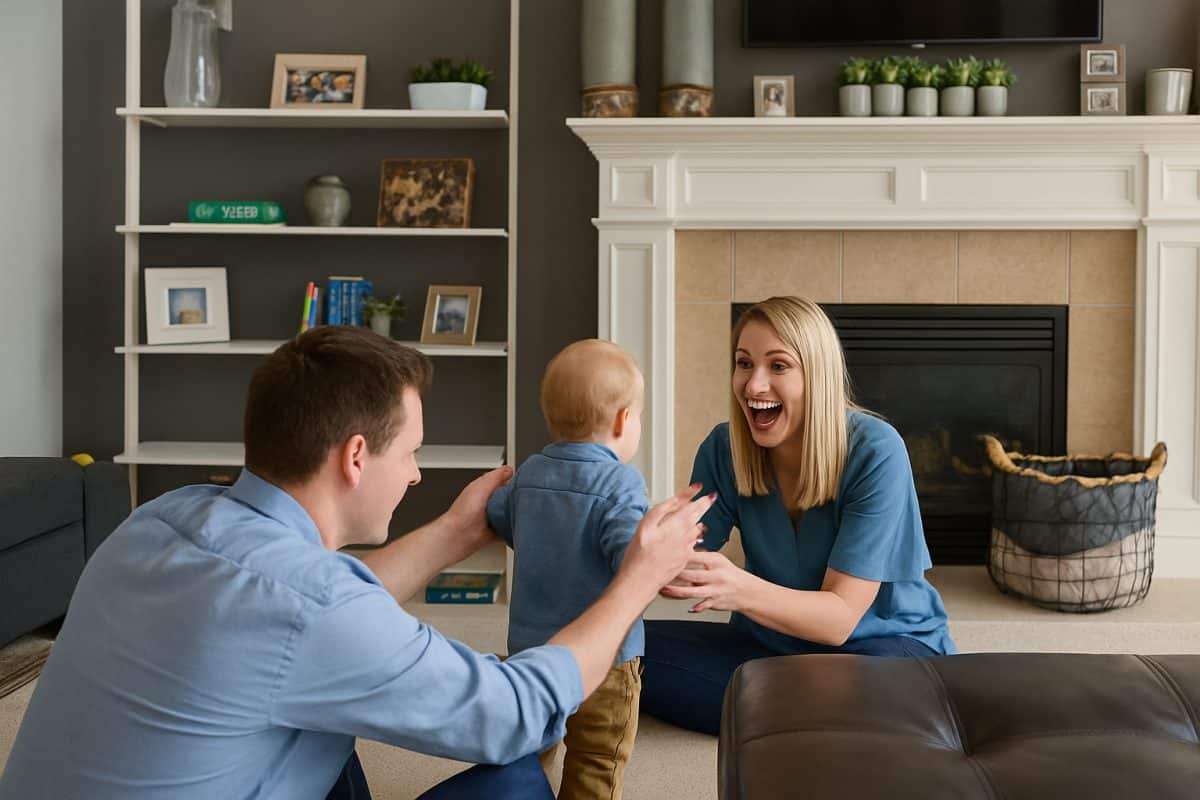
Most family photos are a small performance – everyone lined up, chins tucked, holding a smile until the count of three. Documentary family photography throws that out. Instead of arranging a moment, you wait for a real one: the breakfast chaos, the belly laugh, the ordinary Tuesday in a real NZ home. This is how you photograph a family as it actually is, mess and all.
Learn to See a Moment Before It Happens
The Decisive Moment, Kiwi-Kitchen Edition
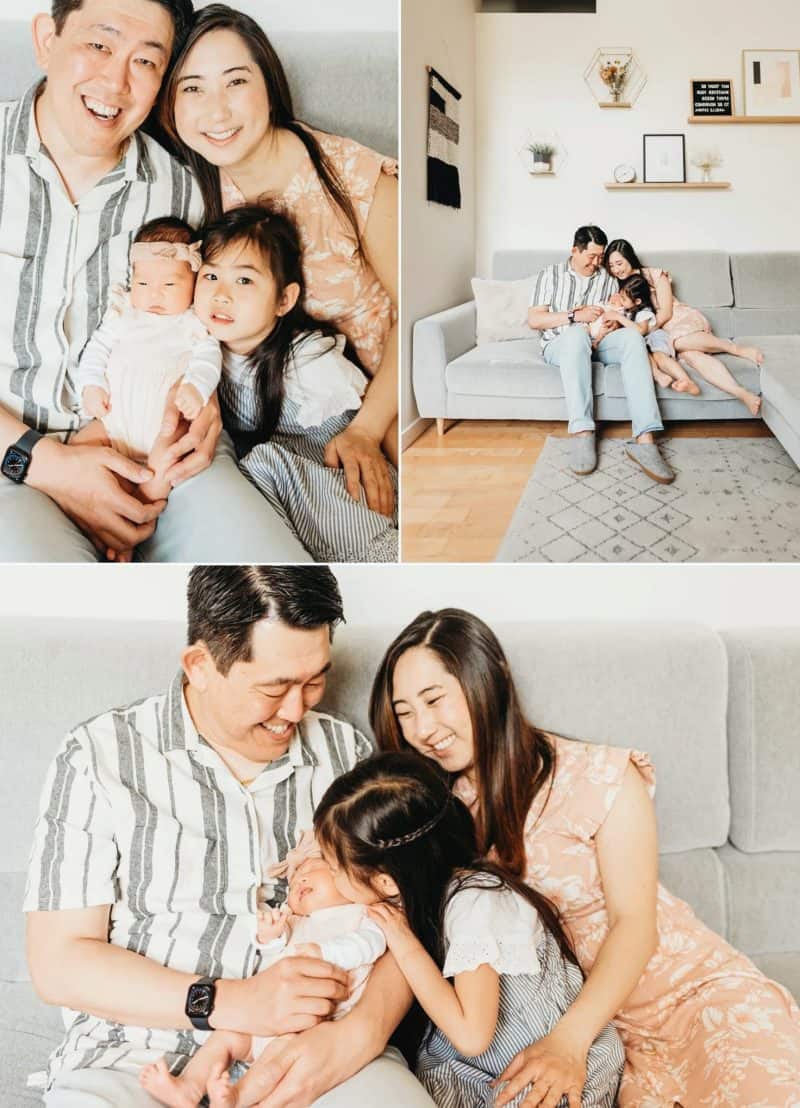
Henri Cartier-Bresson called it the decisive moment – that fraction of a second where everything in the frame lines up and says something true. He was talking about 1950s Paris street photography, but it works just as well in a Kiwi kitchen at half past seven.
Think about the toast going in. There is a moment, half a beat before the pop, where a kid leans against the bench with sleep still on their face. Blink and it is gone. Documentary work is about seeing that peak coming, not scrambling to react after it.
So the skill you are building isn’t fast reflexes so much as anticipation. Learn the small ordinary actions of a house – the reach, the stretch, the toddler deciding to climb somewhere they shouldn’t – and you know roughly when they will peak. The pictures start to feel inevitable rather than lucky.
Watch the Room, Not the Viewfinder
The single biggest change most people can make is to stop staring through the camera. Keep it down at your hip and keep your eyes up on the room. A viewfinder is a keyhole – you miss everything happening just outside it.
Families have a rhythm, and if you watch for a few minutes you start to read it. There is a wind-up before a laugh, a little intake of breath. There is a pause, a gathering quiet, before a tantrum breaks. Once you can feel those beats coming, you lift the camera at the right time instead of hoping.
I usually spend the first ten minutes of any session taking almost nothing. Just watching who leans on whom, who is the loud one, where the light falls. By the time I start shooting properly, I already know where the moments will come from.
Following the Story Through the Day
Every family has a shape to its day, and that shape is your storyboard. Breakfast chaos, the mid-morning lull, the after-school slump when everyone is grumpy and hungry, the slow unwinding of bath-time. Each stretch has its own mood and its own kind of picture.
The trap is chasing single hero shots – the one perfect frame you can blow up on the wall. Documentary work is better when you think in sequences. Three or four frames of the same small event, from the reach for the cereal box to the inevitable spill, tell a story one image can’t.
Look back at a set built this way and it reads like a day rather than a highlights reel. That is the point. You are photographing a life as it moves, not stopping it to pose.
Blending Into the Room
Why Nobody Should Notice You
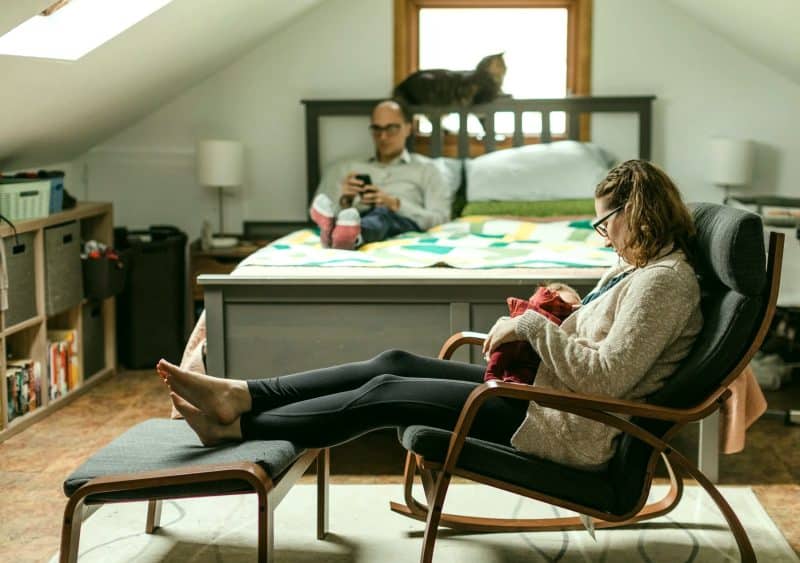
The real work of documentary family photography is being in the room without steering anything. This is the opposite of the posed shoot, where everyone faces the camera and performs. The moment you become the centre of attention, the real thing evaporates.
The goal is to be forgotten. Sit down on the floor. Go quiet. Stop showing people the back of the camera after every frame – that pulls them out of what they were doing and turns them into an audience. Kids especially will drop the act within about twenty minutes if you give them nothing to react to.
It feels strange at first, hovering in a family’s space saying almost nothing. But that quiet is where the honest pictures live. When they genuinely forget you are there, you get the family that actually exists rather than the one assembled for the lens.
The Gear That Keeps You Invisible
A small, quiet setup does half the work of staying invisible. One body, one prime lens, and a silent shutter if your camera has one – that is genuinely enough for most family work, and it changes how people behave around you.
Point a big white zoom lens at a four-year-old and they either freeze up or start clowning. A modest little prime doesn’t read as a threat, so nobody performs for it. The camera becomes part of the furniture, which is exactly where you want it.
There is no need to spend a fortune here, and this isn’t about brands. The invisibility comes from restraint, not a shopping list. Less gear also means you are not fiddling with lens changes while the good moment slips past.
Camera Settings That Keep Up With Kids
Continuous Autofocus Is Non-Negotiable
Kids do not hold still, so your focus can’t either. Switch the camera to continuous autofocus – it is called AF-C on most cameras, or AI Servo on older Canon bodies. In this mode the camera keeps refocusing for as long as you half-press, tracking your subject as they move.
Single-shot AF, the default on a lot of cameras, locks focus once and holds it. Fine for a landscape, useless for a toddler, who will have wandered half a metre closer by the time you press the button. You end up with a sharp patch of carpet and a soft child.
Most modern cameras also offer face and eye tracking, and it is worth turning on. It keeps the focus on the right thing while you concentrate on the moment. Let the camera handle the technical grind so you can watch the room.
Shutter Speed and the Fast-Moving Toddler
Movement is the whole subject here, so shutter speed matters more than it does for still portraits. As a rough guide, 1/250 of a second will freeze a walking kid cleanly. A running one, or a jump off the couch, wants 1/500 or faster.
The trade-off is light. A faster shutter lets in less of it, and NZ homes are often dim – think a lounge with the curtains half-drawn on a grey Wellington afternoon. The answer is to raise your ISO without fear. Modern cameras handle high ISO far better than people expect, and I would rather shoot at ISO 3200 and get the moment than sit at ISO 400 and miss it. The grain disappears the moment someone falls in love with the picture.
Working With Available Light
Available light just means the light already in the room – the window, the lamp, the grey glow of an overcast day. Learning to use it well is what gives documentary work its honest, lived-in feel.
Flash is the enemy of that feel. It flattens a room, kills the mood the light was building, and startles a settled kid straight out of the moment you were waiting for. Once the pop goes off, everyone knows there is a photographer in the room again.
So work with what is there. Position yourself so your subject faces a window and let the light wrap around them. Embrace the shadow on the far side – it gives a face shape and depth. NZ homes rarely have grand light, but that modest window is usually all you need.
The Real Home Beats the Styled One
Leave the Mess In
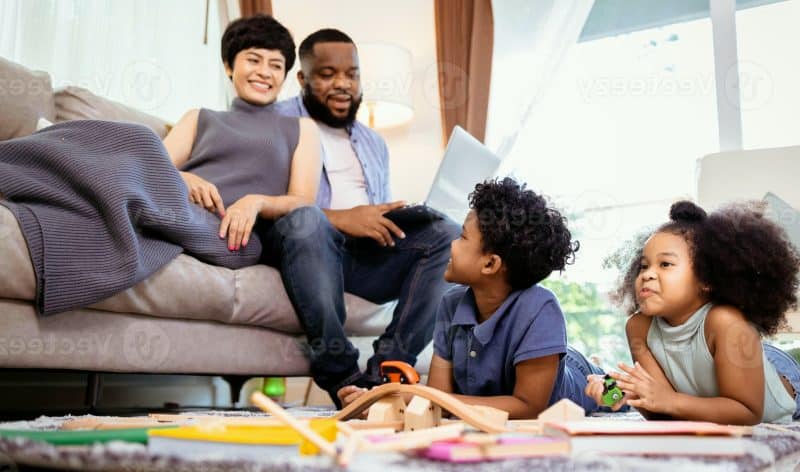
Here is where I get a bit stubborn. Leave the mess in. The tidied, decluttered, beige-and-linen set you see all over Instagram is a lie about how families live, and it makes for boring pictures.
The whole tradition of documentary photography is built on showing life as it is rather than as we would stage it. The dishes stacked by the sink, the washing pile on the couch, the scattering of Duplo across the floor – that is not clutter to be hidden. That is the story. It is the evidence that this Tuesday actually happened.
I am not saying seek out squalor. But the instinct to sweep everything out of frame usually sweeps out the truth along with it. A spotless staged corner could belong to anyone. A frame with the real chaos of the day in it could only belong to this family.
Real NZ Homes Have Character
Once you stop hiding the room, you start noticing how much it carries. NZ homes have a specific texture that dates and locates a photograph in a way no studio backdrop ever could.
The worn lino, the heat pump humming above the doorway, the trampoline through the ranchslider, the row of gumboots by the back door. These are not distractions. They are the details that will make someone catch their breath in twenty years and say that was our house.
So train yourself to see them as assets. Let the ranchslider and the overgrown backyard into the frame. The more specifically a picture belongs to one real home, the more it will mean later.
When Imperfect Is the Point
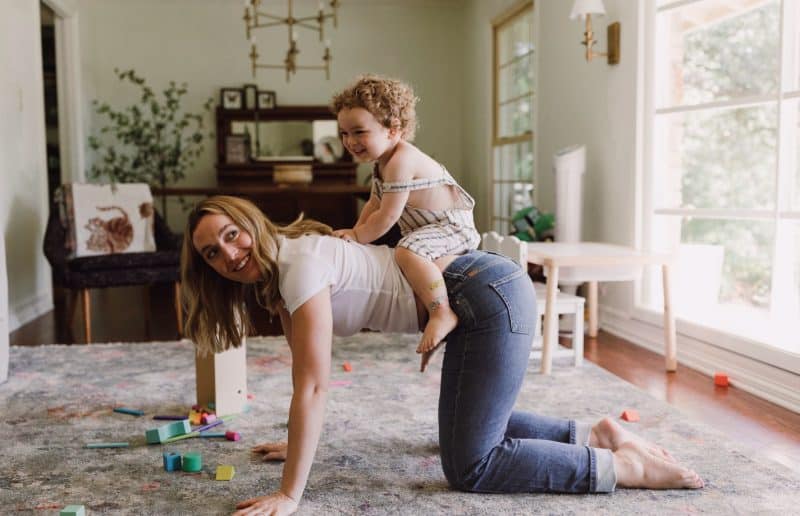
An Honest Frame Beats a Stiff One
If you take one thing from all this, take this: an honest frame beats a stiff one. A slightly soft photo of a real belly laugh will always outlast a tack-sharp portrait of everyone holding a polite smile.
Some of the best documentary frames break the technical rules on purpose, or by happy accident. A bit of motion blur on a spinning kid. A half-turned head. Someone caught mid-blink. These so-called flaws carry motion and feeling that a perfect frame can flatten out.
So give yourself permission to keep the imperfect shot. When you are culling, do not bin a frame just because it is not razor sharp – ask whether it is true. If it makes you feel something about that family, it has done its job, and no amount of sharpness would improve it.
Editing Without Sanding Off the Truth
The same honesty should carry into how you edit. A light touch is the whole philosophy. You are supporting the truth of the moment, not manufacturing a perfect one.
Resist the urge to clone out the toys on the floor or smooth every line off a tired face. Those are the things that made the picture real. Keep a bit of grain, and keep the actual colour of the room, even the slightly green cast of an old fluoro tube in the kitchen.
Heavy editing sands a photograph down until it could be anyone, anywhere. The goal is the opposite – a picture unmistakably rooted in that room, that light, that ordinary afternoon. Edit to remember it accurately, not to improve on it.
The Photos You Will Actually Treasure
Years down the track, it is almost never the matching-outfit set that people reach for. It is the honest ones – the belly laugh over spilt Weet-Bix, the full-blown sulk on the stairs, the ordinary Tuesday that felt like nothing at the time.
That is the quiet payoff of working this way. You are not building a set of pictures that look impressive today; you are building a record that gets more valuable every year, because it holds who these people actually were.
The posed shot ages into a curiosity – look how young they were, look at those outfits. The honest shot ages into a memory. It puts you back in the room, and a room full of real, imperfect life is what families end up treasuring most.
The styled, decluttered shoot photographs a family the way they wish they looked for an afternoon. The documentary approach photographs the family they actually are, in the home they actually live in. One ages into a curiosity; the other ages into a memory. Learn to see the moments coming, blend into the room, and trust the imperfect frame, and you will end up with pictures nobody wants to sweep off the bench.
Comments
Good on you for saying leave the mess in. Every shoot I’ve had, the mum apologises for the washing pile within about thirty seconds. That pile is half the reason the photo works.
Quick question on the ISO thing – our lounge is genuinely dark, north-facing and the curtains never fully open. You say don’t fear 3200 but at what point does the grain actually start to bother you? Nervous about pushing it too far.
Danielle, honestly on most bodies from the last five or six years 3200 is a non-event, and even 6400 cleans up fine in editing. A sharp grainy frame of the actual moment beats a clean blurry miss every single time. Push it.
The ten minutes of taking nothing at the start is the bit I always skip and always regret. Kids can smell it when you’re hunting for a shot. Going to try just sitting down and shutting up next time.