
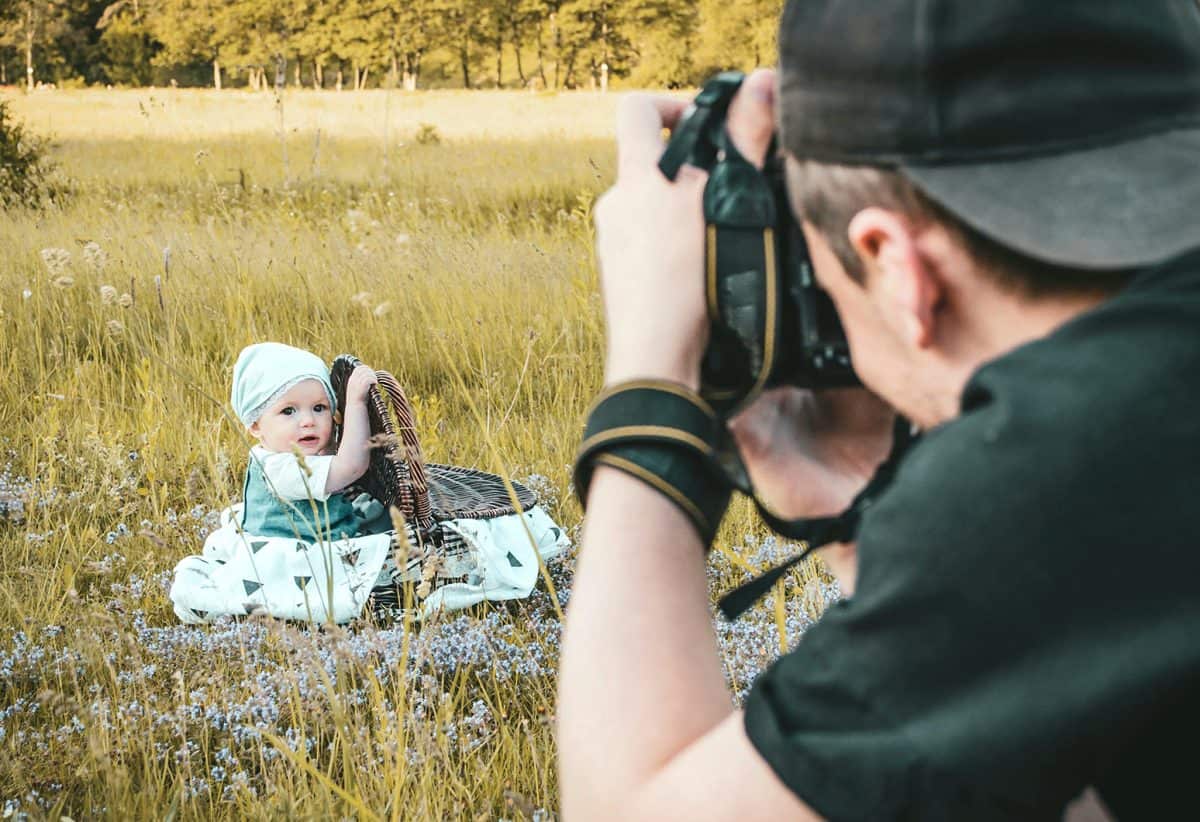
A kid can grin at the lens all they like, but that is not permission, and knowing the difference is where good practice starts. Photographing children in New Zealand comes with real responsibilities around consent, model releases, and privacy, and most of it is less about paperwork than about doing right by the families who trust you. Here is how to get it right, from the first conversation to the day someone asks you to take a photo down.
Why Consent Matters More When Kids Are In The Frame

A Child Cannot Agree To Anything
Here is the thing that trips a lot of us up: a child can smile, wave at the camera, even ask you to take another one, and none of that is consent. A five-year-old cannot weigh up where a photo might end up in three years, who might see it, or what it means to have their image on a stranger’s website. The law and plain common sense both put that decision with the parent or guardian.
So the responsibility lands on you. “The kid seemed into it” is not permission, and neither is “the mum was standing right there and didn’t stop me.” If you want to photograph a child and do something with the result, someone with the authority to decide for that child has to actually say yes. That sounds pedantic until the day a parent asks why their kid is on your Facebook page.
The Trust You Are Actually Being Handed
It helps to stop thinking of consent as a form and start thinking of it as trust. When a parent lets you photograph their child, they are handing you something they care about more than almost anything else, and that trust is easy to take for granted right up until it breaks.
I would rather you came at this from that angle than from a defensive, cover-yourself one. Getting permission does protect you, but if that is the only reason you ask, it shows. Everything that follows, the forms, the privacy, the takedown requests, sits on one idea: you are looking after someone else’s kid, and the images are part of that.
Getting Permission The Right Way
Talk First, Sign Later
Before any paperwork comes out, have a proper conversation. Tell the parent what you are planning to shoot, where the images might end up, and that they can say no to any part of it. If you want a portfolio shot, say so. If it might go on social media, say that too and watch how they react, because a lot of parents are fine with prints and a hard no on Instagram.
The form comes after the talk and exists to record what you agreed, not to replace the chat. A signature on a page nobody read out loud is worth very little when things go sideways. Keep the language plain. If a parent needs a lawyer to understand what they are signing, you have written it wrong.
What A Model Release Should Actually Say
A model release for a child needs to cover a few things. Who is giving permission, and it has to be the parent or legal guardian, not the child and not an aunty minding them that afternoon. The child, named. And the scope of use: is this for the family’s own prints, your portfolio, your website, social media, or third-party and stock use? Those are not the same permission, and lumping them together is where trouble starts.
It should also say whether the family can withdraw their permission later, and carry a date. A release signed by the guardian on the child’s behalf is the standard approach in New Zealand.
One honest caveat, and I will keep saying it: this is general good practice, not legal advice. If you need a release that will hold up, get a lawyer to draft or check it. A template off the internet is a starting point, not a finished job.
Photographing Other People’s Children
Most of the time you are not running a formal shoot at all. You are at a mate’s kid’s birthday, or a school gala, or you spot a lovely candid of a friend’s child and think it would suit your portfolio. The rule is boringly simple: ask the parent, every time.
Being in a public place does not hand you a free pass to publish. You might be allowed to take the photo, but taking it and putting it on your website are two different things, and the second almost always needs a yes.
The asking does not have to be awkward. Something like, “I got a lovely shot of your wee one, mind if I use it in my portfolio? Happy to send you a copy either way.” gives them an easy out and shows you are not sneaking around. If they hesitate, that is your answer.
Where The Images End Up

Your Portfolio And Website
Your portfolio is where a lot of quiet mistakes happen. You shot a family session, the parents loved their prints, and months later you are refreshing your website and one of those images is exactly what you need. Easy, right? Only if the release covered it.
If a family agreed to prints for themselves and nothing more, your website is a brand new use that needs a fresh yes. It is a two-minute email to ask, and parents appreciate being checked with rather than finding their kid on your site by accident.
This is why a simple record pays off. Keep a note, per family, of what each one agreed to: prints only, website fine, social a no. A year later you can see at a glance what is fair game and what needs a phone call first.
Social Media Is A Different Animal
Social media is a different animal and deserves its own conversation. A portfolio page on your own site is relatively contained; Instagram and Facebook are not. Once an image is up it can be screenshotted, shared, commented on, and reposted, and you have essentially no control over any of it.
So do not assume a general release covers social. Ask specifically. Plenty of parents who are relaxed about a website draw a firm line at their child appearing in a public feed, and that line is theirs to draw, not yours to guess at.
If a family does say yes to social, keep the identifying details vague. No school names, no location tags, no captions that spell out where the child will be on a Tuesday. It costs you nothing and it is the difference between a nice photo and a small map to someone’s kid.
What NZ Privacy Expectations Look Like
The Privacy Act In Plain Terms
None of this happens in a vacuum. In New Zealand, the Privacy Act 2020 sets out principles for how personal information is collected, used, and looked after, and a photograph of an identifiable child sits squarely inside that. You do not need to memorise the Act, but a few ideas are worth carrying around.
Collect information for a reason and be open about it. Use it only for the purpose you collected it for, which loops straight back to matching your use to what the family agreed. Keep it secure. Those are not exotic legal concepts; they are good manners written down.
I have to be plain, because it matters: this is general guidance, not legal advice. For anything specific to your situation, the Office of the Privacy Commissioner has clear, readable material at the Privacy Commissioner’s website, and for a binding answer you talk to a lawyer.
When A Photo Becomes Personal Information
It is worth sitting with one idea: an identifiable image of a child is personal information about that child. Not yours, theirs. That reframes the whole thing.
Identifiable does not just mean a clear view of a face. A name in the caption, a school uniform, a distinctive backdrop, a location tag, any of these can identify a child even when you thought you were being careful, and the more that stack up, the easier it is for a stranger to work out who and where.
The upshot is simple. Handle a child’s photo with the same care you would their name and home address, because in the wrong combination that is roughly what it amounts to. That mindset, more than any rule, keeps you on the right side of this.
Storing And Sharing Files Safely
Good file habits are the unglamorous half of respecting privacy, and they are mostly common sense. Store your images somewhere secure rather than a shared folder half the family can see. Do not email full-resolution files around casually; use a proper delivery method and think about who ends up with a copy.
Be especially careful with anything heading to third parties or stock libraries. Once an image is in a stock pool you have handed away most of your control, so a child’s photo should only go there with explicit permission. General guidance on protecting personal information is available from government privacy resources, and it is worth a read.
And when a family withdraws their permission, deleting the files is part of the job, not an optional courtesy. If you cannot find every copy, you were not organised enough to begin with.
When Someone Wants A Photo Taken Down
Handle The Request Gracefully
Sooner or later a parent will ask you to take a photo down. Maybe years after the fact, maybe after a separation or a change nobody saw coming. When that happens, the right move is the simple one: take it down promptly, and do not make them explain why.
It is tempting to defend your work, to point out they signed a release, to argue the image is harmless. Resist all of it. This is not a hill worth dying on for anyone who sees themselves as a resource for families rather than a business protecting its assets.
A quick, gracious “of course, it’s gone” costs you nothing and tells that parent, and everyone they mention it to, exactly the kind of photographer you are. The release gave you permission; it never obliged you to cling to a photo someone regrets.
Build Removal Into Your Process
The easiest way to handle takedown requests well is to set yourself up before you ever get one. Put a plain line somewhere on your site telling people how to ask you to remove an image, and mean it. A parent who knows removal is easy is a parent who trusts you more, not less.
This is where that record earns its keep again. If you know where each image is published, your site, a particular social post, a print order, you can act on a request instead of half-remembering where things went. Then close the loop and tell the family when it is done, so they are not left wondering.
It comes back to where we started. This was never really about forms or the Privacy Act, useful as both are. It is about being the kind of photographer a family can hand their child to and not think twice.
Strip away the forms and the privacy principles and you are left with something plain: you are looking after someone else’s child, and the photos are part of that. Get the consent honest, match your use to what was agreed, and make it easy for a family to change their mind, and the rest tends to sort itself out. The photographers families come back to are the ones who treated the trust as the real subject all along.
Comments
Good reminder that a public place isn’t a free pass. Do you have a wording you actually use when you ask a parent at something like a gala? I always freeze up and it comes out clumsy.
Keeping a per-family note of what each one agreed to has saved me more than once. Boring admin but it means I’m never guessing whether the website is fair game. Wish I’d started doing it years ago.
The bit about matching the use to what was agreed really landed for me. I shot a newborn session last year, family only wanted prints, and I nearly stuck one on my site without thinking. Sent the email instead and they were lovely about it.